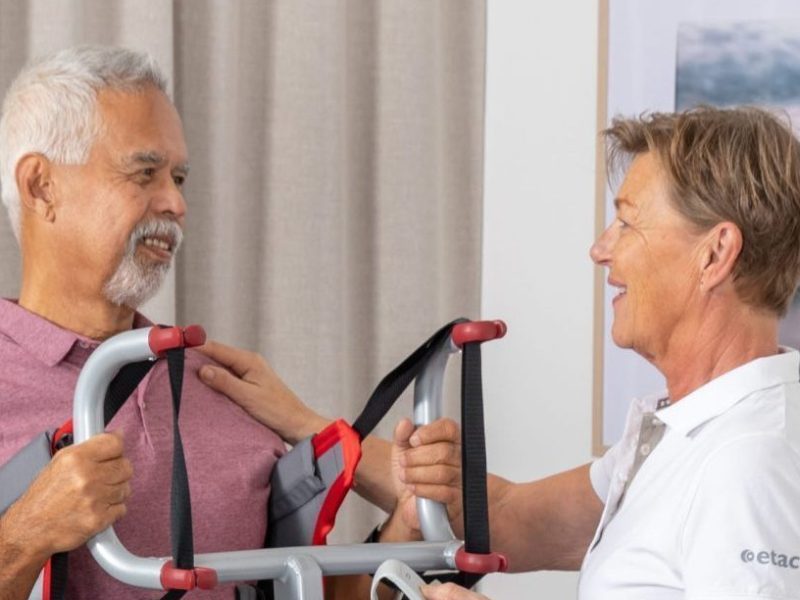

Ensuring the safety and well-being of individuals with mobility needs is paramount in any care environment. A crucial part of this commitment involves adhering to the Lifting Operations and Lifting Equipment Regulations 1998 (LOLER). The LOLER regulations are a vital framework for ensuring that all patient lifting equipment is safe, reliable and fit for purpose. For anyone who owns, operates or is responsible for patient lifting equipment, from large organisations like the NHS to private homes, understanding and complying with LOLER is non-negotiable.
What exactly are LOLER regulations?
Simply put, LOLER is a set of UK government regulations designed to ensure that all lifting operations and equipment are properly planned, supervised and carried out in a safe manner to prevent the risk of injury. The LOLER regulations apply to any equipment that has a primary function of lifting or lowering a load. In the context of care, this includes a wide range of vital equipment used to lift people, such as:
- Mobile patient hoists
- Ceiling hoists
- Standing aids
- Bath and pool hoists
- Hoist scales
- Patient slings and other lifting accessories
Just like a car requires a regular MOT to be legally roadworthy, patient lifting equipment requires a LOLER inspection to be legally compliant and safe for use. This detailed examination must be carried out by a qualified and competent professional who has the necessary expertise to detect defects and weaknesses.
Why are LOLER inspections so important?
LOLER inspections go beyond simple routine annual checks and are a thorough and systematic examination that aims to identify any potential risks before they can lead to an accident. The primary purpose is to safeguard both the individual being lifted and the caregiver.
For anyone responsible for this equipment, compliance is a legal duty. The term ‘used at work’ is broadly defined and includes any location where paid or voluntary work takes place. This means LOLER applies to hospitals, nursing homes and even private homes where professional carers visit. Failing to have a valid LOLER certificate can leave you exposed to legal action in the event of an accident.
Beyond the legal aspect, these inspections provide a crucial layer of peace of mind. By proactively identifying and addressing issues like wear and tear, you can prevent unexpected equipment failure, maintain a safe environment, and ensure that your team can work with confidence. LOLER inspections are a powerful tool to support the daily checks that staff perform, providing an expert’s detailed eye to confirm the equipment’s continued safety.
The all-important patient sling
While the hoist itself is the main piece of equipment, LOLER regulations also apply to all lifting accessories, with patient slings being a key focus. Slings are subjected to immense stress and wear during regular use, making their safety paramount.
During a LOLER inspection, an engineer will conduct a meticulous check of each sling. This includes a visual examination for any signs of ripped material, loose stitching, or fraying that could compromise its integrity. A crucial part of this process involves checking the sling’s label. The Safe Working Load (SWL), serial number, and washing instructions must all be clearly legible. If these details are faded or unreadable, the sling will be condemned. This is because a caregiver must be able to visually confirm the sling’s suitability for a patient’s weight and ensure it is cleaned at the correct temperature to prevent fabric damage. A faded label indicates a compromised item that must be replaced to prevent a dangerous situation.

What does a LOLER inspection involve?
A LOLER inspection is a comprehensive process that follows a strict checklist to ensure all aspects of the equipment’s safety are evaluated. This typically includes:
- A full visual examination of the hoist, slings and all components for signs of damage, corrosion, or excessive wear
- Functional checks of all mechanical and electrical parts, including controls, emergency stops and braking systems
- Measurements of wear and tear on critical components
- Load testing to confirm the hoist can safely lift its marked capacity
- Disassembly and internal examination of parts to assess hidden damage
Following the inspection, the competent person provides a written report detailing the findings and any defects. This report is your official record of compliance and must be kept for a minimum of two years. It’s a key document for proving due diligence to the Health and Safety Executive (HSE) if ever required.
How often are LOLER inspections needed?
LOLER requires thorough examinations of patient lifting equipment every six months. This is a statutory requirement, but it’s not the only time an inspection is needed. Additional inspections are also required:
- Before first use (unless it has a valid Declaration of Conformity from the manufacturer issued less than 12 months earlier)
- After any major repair work
- After being reinstalled in a new location
- After any exceptional circumstance that may have damaged the equipment, such as a major overload or being dropped
By working with a reliable service provider, we can take the worry of staying compliant out of your hands, allowing you to focus on the important job of providing compassionate care. With our team of experienced engineers and a commitment to meticulous service, Revived Medical provides peace of mind that your equipment is always safe, secure and ready for use.
Contact us for advice on servicing and maintenance of moving and handling equipment.